


By Dan Woods, Saunass sauna specialist · Sources: sauna society guidance, peer-reviewed sauna research, heater maker data, and what owners share online
Published October 22, 2026 · Last updated October 22, 2026
Quick Answer: What Is a Dry Sauna?
A dry sauna is a traditional sauna run without water on the stones. The air is hot and the humidity stays low, often under 10% with no water at all. A wet sauna is the same room with water ladled on the hot stones. That burst of steam is called löyly, and it lifts the humidity for a while.
So dry vs wet sauna is not a choice between two rooms. It is a choice you make on every visit with a ladle. A traditional Finnish sauna can be used both ways. Most dry sessions run at about 160 to 195°F. Wet sessions often feel just as hot at a lower temperature, because humid air carries more heat to your skin.
What Is a Dry Sauna?
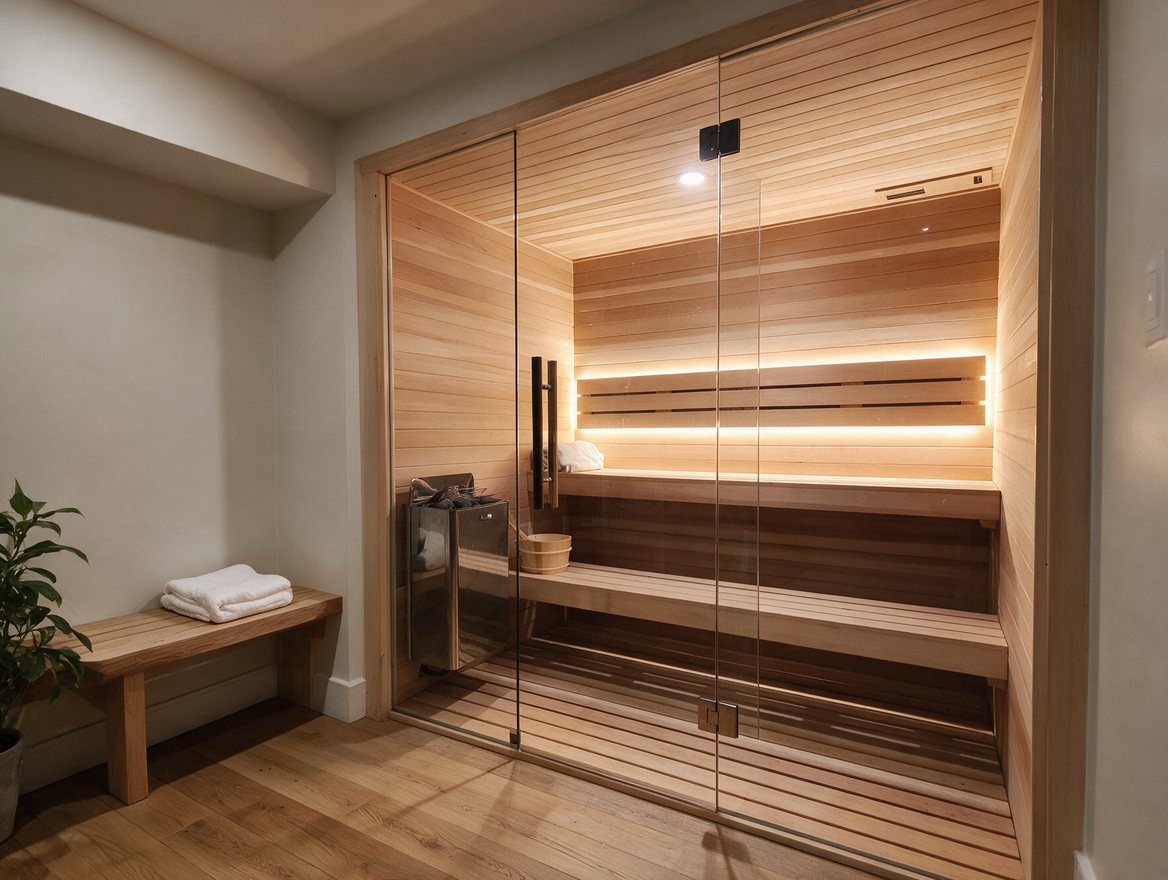
A dry sauna, or dry heat sauna, is a hot room heated by a stove full of stones. The stove can be electric or wood burning. You sit on wooden benches in air that is often 160 to 200°F. Nobody throws water, so the air stays dry.
The North American Sauna Society puts it simply. A "dry" sauna is a traditional Finnish sauna with no water ladled onto the rocks. With no water, relative humidity can sit under 10%. A peer-reviewed review of Finnish sauna research gives a typical range of 176 to 212°F at head level with 10 to 20% humidity.
Dry heat feels sharp on the skin and easy on the lungs. You sweat fast, but the sweat evaporates quickly, so you may not feel wet at first. Many owners online say dry sessions feel clean and steady. Others find very hot, very dry air harsh on the nose and throat after a few minutes.

What Is a Wet Sauna?
A wet sauna is a traditional sauna where you pour water on the hot stones. The water flashes into steam and rolls through the room. Finns call it löyly. The temperature on the thermometer barely moves, but you feel a wave of heat on your skin.
Here is the key point. A wet sauna is not a steam room. A steam room runs near 100% humidity at a much lower temperature, and it uses a steam generator, not hot stones. A wet sauna stays a hot, mostly dry room with short bursts of humidity. If you want the steam room side of the story, see our guide to infrared and steam saunas.
How wet does a wet sauna get? The Sauna Society says a typical session with a fair amount of water reaches about 25 to 35% humidity. Newer heaters with very large stone loads, run at lower air temperatures, can push past 50%.

Dry Sauna vs Wet Sauna: What Is the Difference?
The difference between a dry and wet sauna comes down to humidity and how the heat feels. The room, the heater, and the benches are the same. Here is how the two compare in a typical home sauna.
| Feature | Dry sauna | Wet sauna |
|---|---|---|
| Water on the stones | None | Ladled on the hot stones |
| Typical humidity | Often under 10% | About 25 to 35%, more with big stone heaters |
| Typical temperature | About 160 to 195°F | Often a little lower for the same feel |
| How the heat feels | Sharp and steady | Waves of heat that feel hotter |
| Heart rate | Rises with the heat | Rises more as humidity climbs |
| Best heater style | Box heater, fast heat up | Pillar heater with a big stone load |
| Gear | Thermometer | Bucket, ladle, and hygrometer |
Humidity changes how hard your body works. In a Harvia Labs study run with Finnish university researchers, 50 adults sat in saunas set to about 167°F. Each extra point of humidity raised heart rate by about 0.37 beats per minute. A 40 point jump in humidity added about 15 beats per minute, the same effect as a much hotter room. The humid air also felt hotter at the same temperature.
That is why a wet sauna often runs cooler on the dial. Many owners online set the heater lower on wet nights and higher on dry nights. If you want a deeper look at temperature, read how hot a sauna should be.
What Are the Benefits of a Wet Sauna?
The main benefits of a wet sauna are comfort and control. Most of the health research on regular sauna use comes from traditional Finnish saunas, which people use both dry and wet. For that wider picture, see our sauna benefits guide. Here is what water on the stones adds day to day.
- A hot feel at a lower temperature. Humid air carries heat to your skin faster. You can drop the dial and still get a strong session.
- Softer air for the nose and throat. Many owners online say a few ladles make the air feel less harsh than bone dry heat.
- You control the intensity. More water means a bigger wave of heat. Skip the water and the room calms down within minutes.
- The classic ritual. The hiss of water on stones is what many people picture when they think of a Finnish sauna.
The trade-off is a harder workout for your heart. The Harvia study showed humidity raises heart rate on its own. Start with small ladles and short rounds. Harvard Health advises 15 to 20 minutes at most, no alcohol, a slow cool down, and two to four glasses of water after.

Is a Traditional Sauna a Dry Sauna?
Yes, a traditional sauna is a dry sauna when you use it without water. It is also a wet sauna the moment you add water. That is why you see both labels on the same product. In US stores, "dry sauna" usually just means a traditional sauna with a rock heater, as opposed to an infrared cabin.
A traditional dry sauna runs much hotter than an infrared room. The Sauna Society also notes that in an infrared room you do not control the humidity. With a rock heater, you do. Any traditional sauna with a rock heater can run dry or wet, indoors or outside.

How Your Heater Shapes Dry or Wet Sessions
The heater matters more than the room when you choose between a dry and wet sauna. Harvia's heater catalog splits electric heaters into a few styles.
- Box heaters hold fewer stones. They heat the room fast and give hot, dry heat. They suit owners who mostly sauna dry or add a few ladles.
- Pillar or tower heaters hold a large stone mass. Harvia says they give a gentle, humid, long-lasting heat. They suit owners who love löyly.
- Combi heaters add a built-in steamer. They can run a classic hot sauna or a milder, more humid session at about 104 to 167°F.
More stones store more heat, so each ladle turns into steam instead of dripping through. If you plan to throw water often, size the heater for your room and lean toward a bigger stone load. Browse our electric sauna heaters or wood-burning sauna stoves to compare.

How to Add Löyly Safely in a Home Sauna
Turning a dry sauna into a wet sauna takes a bucket, a ladle, and a little patience. Follow these steps.
- Let the stones heat fully. Wait until the room is at temperature. Cold stones make water drip and hiss weakly.
- Use clean tap water. Skip oils and scents unless your heater manual allows them.
- Pour small amounts on the stones only. Use one ladle at a time. Never pour on the heater body, controls, or guard.
- Warn everyone first. The wave of heat rises fast. People on the upper bench feel it most.
- Wait between ladles. Give each burst time to settle before you add more.
- Dry the room after. Leave the door or vents open after the session so the wood dries out.
The Sauna Society notes that a floor drain is nice but not essential, since a sauna stays fairly dry overall. You shower in a separate space. For time limits, see how long you should sit in a sauna.

Which One Should You Choose?
You do not have to choose. Buy a good indoor traditional sauna or an outdoor model and try both. Many owners online start dry, then add water as they get used to the heat. Some go dry in summer and wet in winter.
Pick a dry-leaning setup if you like intense, fast heat and short sessions. Pick a wet-leaning setup if you like a softer feel, longer rounds, or a lower temperature. A pillar heater with plenty of stones keeps both doors open.
For a ready-made option, The Ridge is a two person Western red cedar sauna with a 6kW electric rock heater. For upgrades, compare the Harvia KIP60B 6kW box heater for fast dry heat, the Harvia Cilindro PC90 9kW pillar heater for big, soft löyly, or the Harvia Virta Combi HL80SA for added steam. Pair any of them with a KOLO bucket and ladle and a Saunalife hygrometer from our sauna accessories.
Checklist
- Decide how often you will throw water: rarely, sometimes, or every round.
- Choose a box heater for fast dry heat or a pillar heater for more löyly.
- Size the heater to your room volume using the maker's chart.
- Add a bucket, ladle, thermometer, and hygrometer.
- Plan good ventilation so the room dries out after wet sessions.
- Start with short rounds and small ladles, and drink water after.
Dry Sauna: FAQ
Quick answers to the questions buyers ask most about dry and wet saunas. Tap a question to open it.
What is a dry sauna?
The air is hot, often 160 to 200°F, and humidity stays low, often under 10%. The heater can be electric or wood burning.
What is a wet sauna?
The water turns to steam, called löyly, and lifts humidity to about 25 to 35% in a typical session. It is not the same as a steam room.
Dry sauna vs wet sauna: what is the difference?
Dry sessions run hotter with low humidity. Wet sessions add bursts of steam, feel hotter at the same temperature, and raise heart rate more.
What are the benefits of a wet sauna?
Many owners also find the air softer on the nose and throat. You control the intensity with each ladle. Start small, since humidity adds strain on the heart.
Is a traditional sauna a dry sauna?
In US stores, dry sauna usually means a traditional sauna with a rock heater rather than an infrared cabin.
Is a wet sauna the same as a steam room?
A steam room runs near 100% humidity at a lower temperature and uses a steam generator instead of hot stones.
What temperature should a dry sauna be?
Research on Finnish saunas lists 176 to 212°F at head level. Many owners lower the heat when they add water, because humid air feels hotter.
Can I pour water on any sauna heater?
Traditional electric and wood heaters with stones are made for water. Never pour water on an infrared heater, the controls, or the heater body. Check your manual first.
Health disclaimer: This article is general information, not medical advice. Talk to your doctor before using a sauna if you are pregnant, have heart disease, high or low blood pressure, or any other health condition. Follow your heater manual for safe use.
Next step: Not sure which traditional sauna or heater fits your home? Take the Sauna Finder Quiz, browse traditional saunas or electric sauna heaters, or call us at (307) 222-0551. You can also email info@saunass.com.


